
Time Management Tips for High School Students During the First Month
Build a realistic first-month routine with a weekly time map, clear study steps, flexible buffers, and a Carver planning exercise.
Build a realistic first-month routine with a weekly time map, clear study steps, flexible buffers, and a Carver planning exercise.

Practice workforce readiness skills through classroom communication, teamwork, and problem solving. Save one example and connect it to a career.
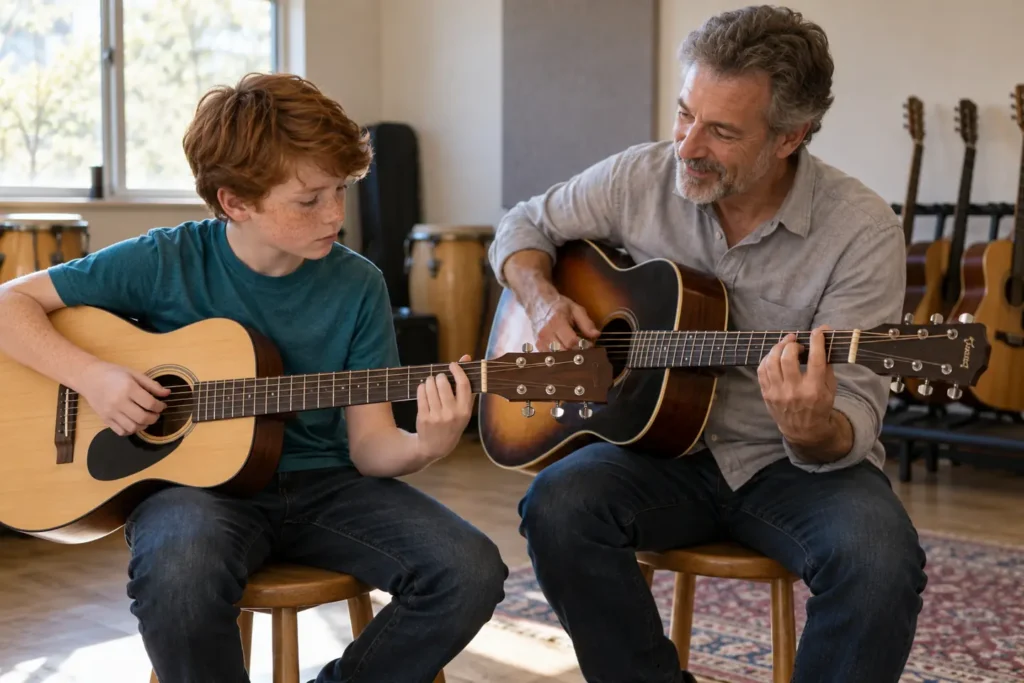
Explore middle school extracurricular activities, check access and support, and choose a small first goal to notice progress without overscheduling.
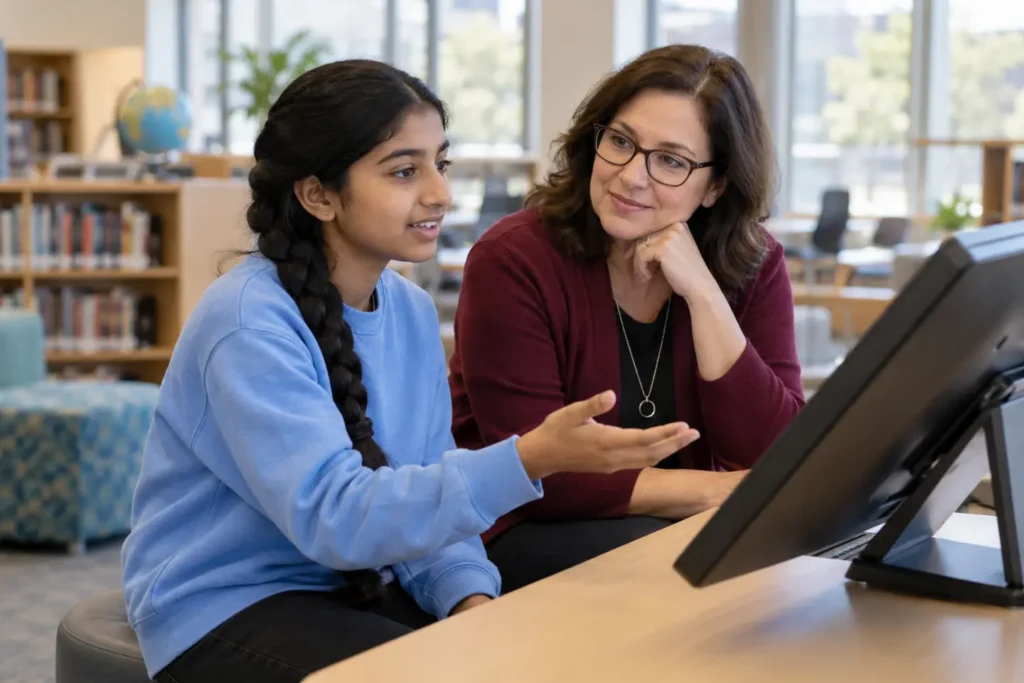
Compare career planning tools for interests, occupation facts, and work values, then choose a practical next step for grades 6–12.
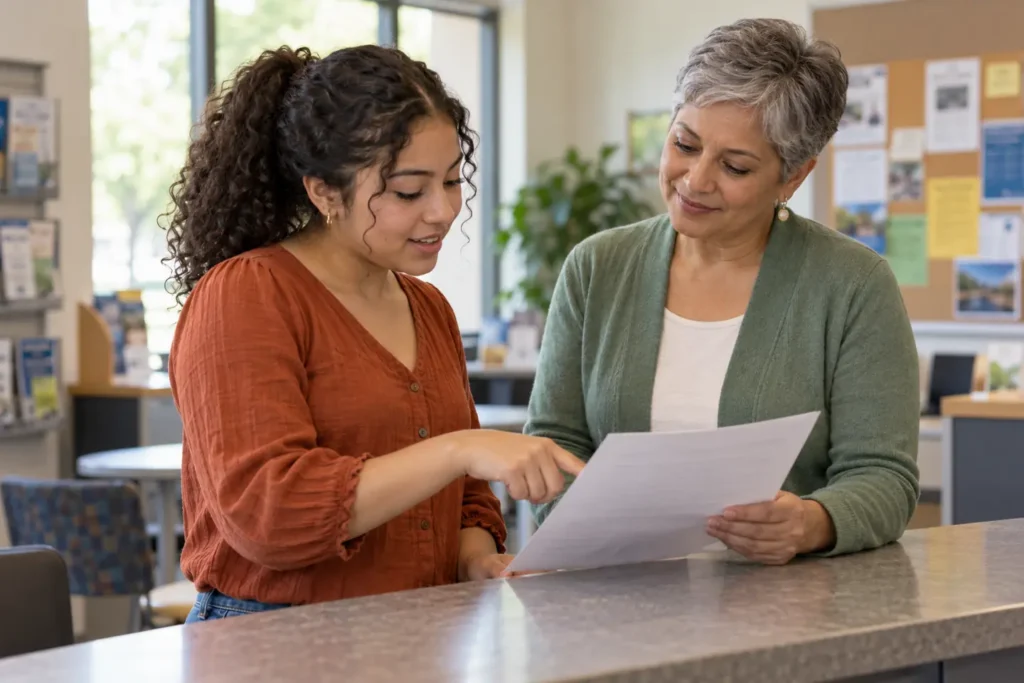
Choose high school resume skills that match fall opportunities and support them with honest examples from school, activities, work, and responsibilities.

Reset your study planner in 20 minutes: collect dates, map commitments, choose practice tasks, and check a realistic first-week routine.

A practical guide to equity in education, funding gaps, student supports, and how families can advocate for opportunity.
A plain-language guide to block grants in education, why funding structure matters, and what families should ask when student supports change.
A student- and family-friendly explanation of Title I funding, school supports, budget questions, and why federal dollars matter.

Name imposter feelings before senior year, recognize your effort, and turn one worry into a practical question or next step.