
Middle school extracurricular activities can give students chances to practice a skill, meet supportive people, and notice their own progress. Start with one activity that interests you, check the practical details, and choose a small goal for your first visit. Confidence can grow through practice and encouragement, but no activity guarantees the same experience for everyone.
You do not need an expensive program or a long list of clubs. Sports, performing and fine arts, hobbies, service, and faith or community groups can all offer ways to participate. The right starting point is something you can access and want to explore.
Quick start: Pick one option, ask how beginners join, check the cost and ride home, and name one thing to try. Afterward, decide whether to return, ask for support, or explore another choice.
Look for welcoming middle school extracurricular activities
A welcoming activity gives beginners clear instructions and a way to take part. Ask who helps new students, what happens during a typical meeting, and whether you can observe or try a session before making a larger commitment. Also, ask how students can raise a concern.
Youth.gov’s program guidance emphasizes positive relationships, welcoming young people, and appropriate supervision. Those ideas can help you form questions about a local activity. However, an organization must explain its own practices; a familiar name alone does not answer every question.
For a broader overview, read this guide to what counts as an activity. Then focus on how you would actually participate, rather than how impressive the activity sounds.
Explore middle school extracurricular activities beyond clubs
Think about what you enjoy doing, making, discussing, or learning. If you like movement, explore a recreational sport or dance option. For students who enjoy stories, theater, reading, writing, or a school media project may be worth a try. If you prefer hands-on tasks, ask about art, gardening, building, or a hobby group.
Also, consider service and faith or community groups that fit your interests and family’s choices. Age-appropriate responsibilities can offer practice as well. You might help prepare materials or complete a recurring task, while an adult handles the program’s expectations and supervision.
The National 4-H Council’s program page describes hands-on project areas and points families to local offices for available options. Check local details before assuming a program, fee, or meeting time is the same everywhere.

Examples of middle school extracurricular activities to test
The ideas below are original suggestions for a first step. They are not a list of requirements or promises about confidence. Use them to ask what a local group offers, and adapt the goal with an appropriate adult.
| Interest | Activity to explore | Small first goal |
|---|---|---|
| Movement | Recreational sport, dance, or walking group | Learn one beginner movement or practice routine. |
| Performing arts | Music, theater, or a school performance group | Practice a short part or ask about a backstage task. |
| Fine arts and hobbies | Drawing, crafts, photography, or a maker group | Try one technique and describe what you noticed. |
| Ideas and teamwork | Reading, chess, coding, or a school club | Ask one question and contribute to one shared task. |
| Service and community | School service or a faith/community group | Complete one agreed task with appropriate support. |
These activity-selection ideas can help you compare options. For this first trial, concentrate on participation and fit rather than building a future application.
Choose one small goal before your first visit
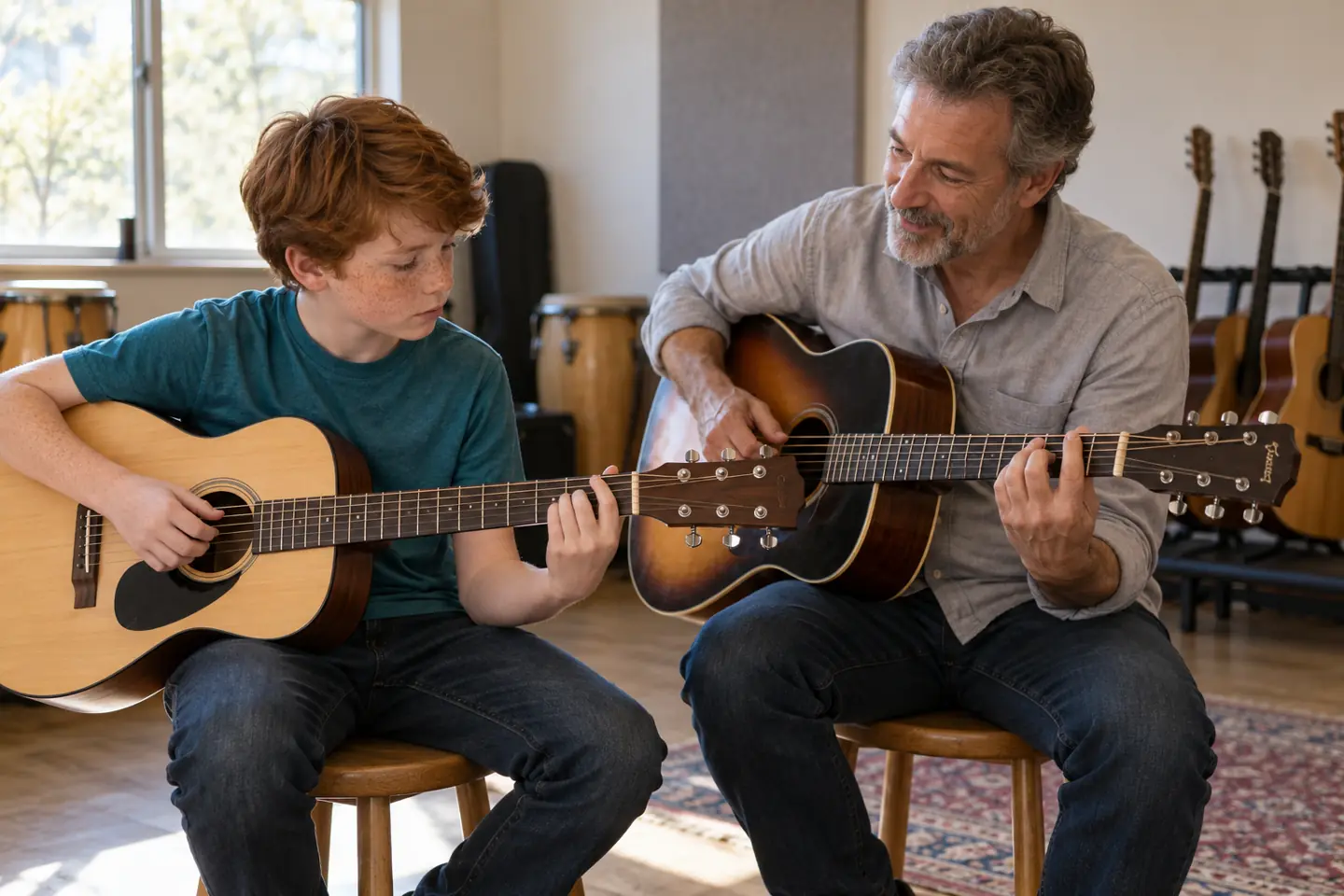
Make the goal something you can attempt, such as asking where supplies belong or practicing one chord. “Be the best person there” is hard to use as a first step. “Learn how the group starts practice” gives you a clear task.
Because new settings can feel unfamiliar, prepare one question in advance. For example: “I am new. What can I help with today?” A leader or trusted adult can help you identify a task that matches your experience.
Youth.gov’s positive youth development principles recognize young people’s strengths and opportunities to participate and contribute. Use that perspective to notice what you bring while leaving room to learn. These help-seeking ideas can support your first conversation.
Check cost, access, and time before signing up
Ask about the full cost, including equipment, travel, uniforms, or performances where relevant. Then ask whether supplies, fee assistance, or a beginner trial are available. Do not assume an advertised meeting is free or that a family must buy everything new.
Also, check the start and end times, location, ride home, and any access needs. Include homework, rest, and family responsibilities when deciding whether a schedule works. This planner-reset routine can help you see the week clearly.
If a formal program is not accessible, ask a caregiver or teacher about a manageable alternative. The 4-H activity guides offer hands-on ideas to explore at home or in a classroom. Review materials and adult-support needs before starting.

Notice progress in middle school extracurricular activities
After the session, name one action you took. You may have tried a new technique, asked for clarification, helped another student, or returned to a difficult task. A small action can be worth recognizing even when you are still learning.
Then ask what helped and what you need next. “The leader showed me where to start” gives you useful information. So does “I could not hear the instructions and need a different place to sit.” The goal is to understand your experience, not to grade your personality.
Keep a short private note if you want. This curiosity journal can help you record what you enjoyed and what you would change. You can notice interests without deciding on a career or a long-term commitment.
Decide whether to return, adjust, or try something else
If the activity interests you and the support feels appropriate, choose another small goal for the next visit. If something was confusing, ask the leader or a trusted adult for help. You can request clearer instructions without deciding you are bad at the activity.
However, if you feel excluded or unsafe, tell a trusted adult and discuss an appropriate next step. You do not have to treat a real concern as something to solve by being more confident. These ideas about belonging and support can help you start a conversation.
Try a Taiga challenge to choose one activity to test. Start with the iLevelUP student page, then save one option, one question, and one first goal. Keep the choice open as you learn what fits.
Frequently asked questions
Which middle school extracurricular activities are best for beginners?
Look for something interesting, accessible, and welcoming to new students. Ask how beginners participate and who supports them. Youth.gov’s program guidance offers context for positive relationships and welcoming practices.
Can middle school extracurricular activities include hobbies or faith groups?
Yes. Arts, hobbies, sports, service, and faith or community groups can offer ways to participate outside class. Choose options that fit the student’s interests and family choices. This activity guide explains a broad range of experiences.
How many activities should a middle school student join?
There is no single number that fits everyone. Start with a manageable option and check how it fits school, rest, travel, and family responsibilities. This planner routine can help you review the schedule.
What if I cannot afford a club or team?
Ask about equipment loans, fee assistance, or alternatives through the school or community. Availability varies, so confirm details locally. The 4-H activity guides offer ideas to review with an adult for home or classroom use.
How can I notice progress in middle school extracurricular activities?
Name a specific action, such as asking a question, practicing a skill, or helping with a shared task. Then record what you want to try next. This curiosity journal can help you reflect without comparing yourself with everyone else.
What should I do if an activity feels unwelcoming?
Describe what happened to a trusted adult and ask about appropriate support or a different option. You do not have to handle exclusion or safety concerns alone. These help-seeking ideas can help you begin the conversation.
This article fills the August 22, 2025 content-calendar entry. Resources were checked on October 12, 2026. Images are original AI-generated illustrations, not photographs of actual iLevelUP participants.


