

First-Generation College Celebration is a chance to recognize your strengths, honor your family’s contributions, and ask for the support you need. Your story belongs in conversations about college. You do not need to turn it into a hardship story or share private details to take part.
This guide offers a simple reflection for students, families, and mentors. First, name one everyday strength. Then connect it with a real example and a next question. Our belonging and support guide can help you build that conversation.
What is First-Generation College Celebration?
The national celebration takes place on and around November 8. According to FirstGen Forward’s official overview, it honors the first-generation community and marks the anniversary of the Higher Education Act of 1965. Schools and communities can use the occasion to recognize students and families.
However, a celebration is more useful when encouragement comes with practical support. For example, a school could pair a student conversation with time to ask about college costs or campus resources. Check the host’s actual plans before assuming an event offers advising.
You can also take part privately. A conversation at home, a note to someone who helped you, or one question for a counselor can be meaningful. The goal is recognition and connection, not a public performance.
Who is considered a first-generation college student?
Definitions can vary by college, scholarship, or program. For example, College Board’s recognition-program guidance uses parents’ bachelor’s-degree completion. That guidance does not determine eligibility for every other program.
If you are unsure, read the specific program’s definition and ask its staff. Explain the education background accurately without trying to force your family into a label. Also, ask how the program treats guardians, education outside the United States, or other circumstances relevant to you.
Most importantly, a label does not measure your family’s knowledge, care, or ambition. Relatives can offer useful guidance even if they did not attend college. Our family conversation guide offers another way to connect experience with future plans.
Use First-Generation College Celebration to name a strength
Start with something you actually do. You might organize a shared schedule, learn a skill, solve a practical problem, or help someone understand information. Then ask which strength that action shows.
| Everyday action | Possible strength | Question to explore |
|---|---|---|
| Keep track of a family schedule | Planning and reliability | How do I help people stay organized? |
| Practice a hobby through mistakes | Curiosity and persistence | What helped me improve? |
| Explain a task to a younger student | Communication and patience | How did I make the task clearer? |
| Ask for help with an unfamiliar form | Self-advocacy | What did I do to find an answer? |
These are reflection examples, not claims about every first-generation student. Choose an experience that fits your own life. In addition, remember that you do not have to carry adult responsibilities to prove a strength.
For a broader view, read what counts as an activity. A hobby, job, club, or family commitment can provide an example worth discussing.
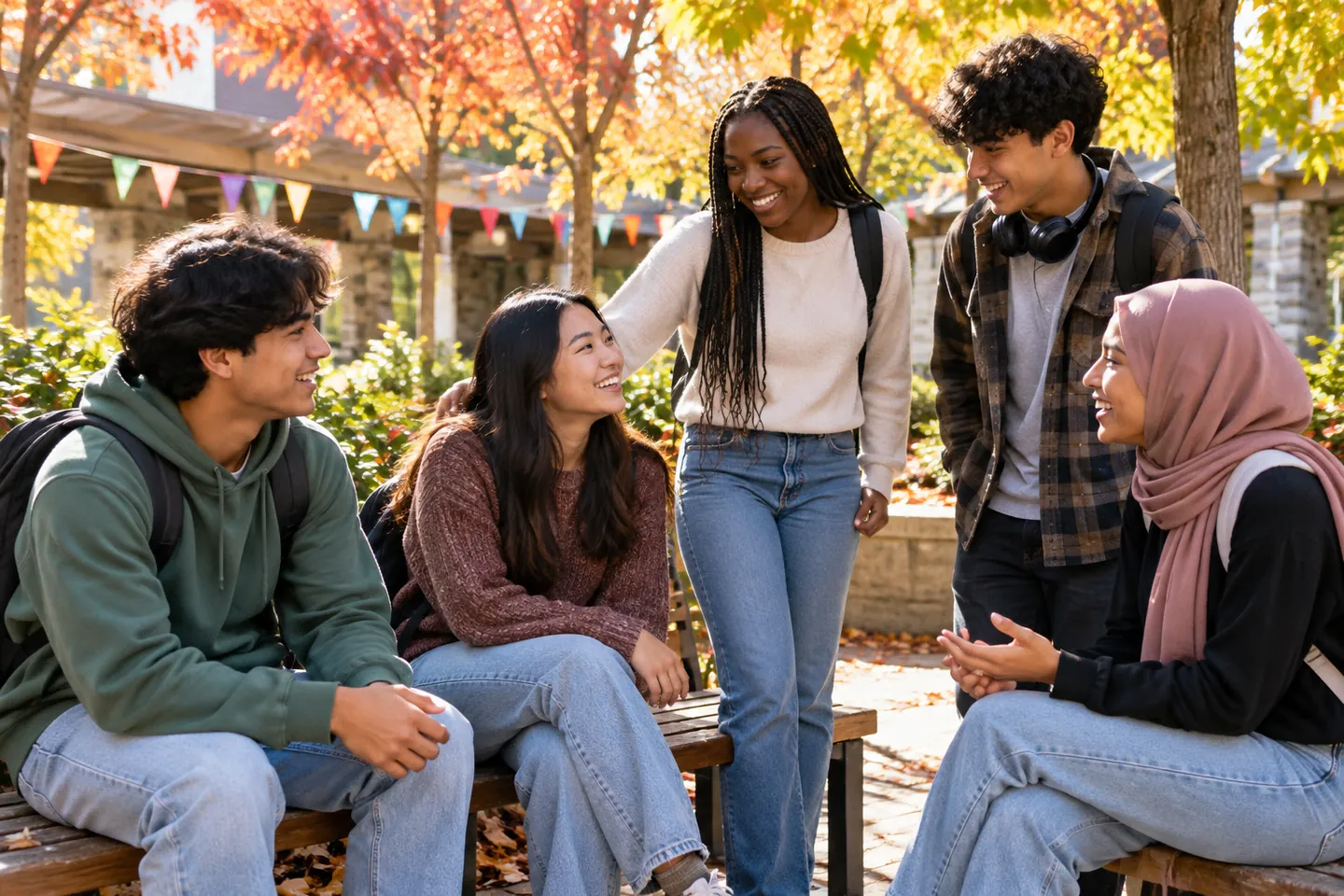
Build a short story without sharing private details
Next, use three sentences: what happened, what you did, and what you learned. Keep the example specific and truthful. You can describe an ordinary moment rather than searching for a dramatic event.
For example: “Our club needed a way to track supplies. I made a simple list and checked it before meetings. I learned that planning helps the group focus on its work.” This fictional example shows the structure; replace it with your own experience.
Before sharing, decide which details are yours to tell. Leave out another person’s health, finances, immigration status, or private conflict unless you have a clear reason and appropriate permission. You can keep a reflection private or share only a small part.
If the story later becomes application material, review our guide to describing experience with evidence. Also, follow the application’s actual prompt instead of assuming one story fits every purpose.
Turn First-Generation College Celebration into one support question
Recognition can be a starting point for asking about the unfamiliar parts of college. For instance, choose one question about costs, advising, transportation, or finding a trusted contact. You do not need to solve the whole process in one meeting.
- Who can explain the costs listed on this college’s website?
- Where can I ask about first-generation student support?
- Which resources help students find tutoring or advising?
- Who can help me compare college and training options?
- What is one task I can finish before our next conversation?
Then write down the contact, the answer, and your next step. If the first person does not know, ask who handles that question. Our asking-for-help guide can help you prepare a clear request.
For college planning basics, explore College Board’s BigFuture resources. Check each college’s own pages for its services, deadlines, and eligibility rules.

How families and mentors can make room for the student's voice
First, ask what the student wants to discuss. Listen before offering advice, and let them choose whether to share a story. A quiet response does not mean they lack pride or interest.
Next, name a strength you have actually observed. “You asked a useful question when the directions were unclear” is more specific than a general compliment. However, avoid comparing the student with siblings or classmates.
Finally, offer one concrete form of support. You might help find a contact, review a question, or make time for a planning conversation. Our mentor introduction guide can help turn encouragement into a useful connection.
Reflect on First-Generation College Celebration with Machu
Visit iLevelUP’s student resources and explore Machu’s confidence guidance. Bring one everyday example and use it to name a strength from your story. Keep private information out of any shared draft or digital tool.
Try this reflection: “One thing I did was ___. It showed ___. One question I want to ask next is ___.” Then discuss your answer with a trusted adult if you want support.
Above all, your experience does not need to look like someone else’s. First-Generation College Celebration can honor both your progress and the people who helped you. Start with one honest strength and one next step that matters to you.
Frequently asked questions
When is First-Generation College Celebration?
It is observed on and around November 8. FirstGen Forward explains the date’s connection to the Higher Education Act of 1965. Check your school’s announcement for its local event date.
Am I first-generation if a parent attended college but did not graduate?
Read the definition for the specific program. For example, College Board’s guidance allows some education below a bachelor’s degree. Colleges and other programs may use different criteria, so ask their staff.
Do I have to share a difficult experience to tell my story?
No. You can describe a hobby, a useful question, or an everyday responsibility. Choose what you want to share. Our experience-description guide offers ways to use specific, honest examples.
Can high school students take part in First-Generation College Celebration?
Yes. FirstGen Forward’s overview includes K–12 schools among participating communities. Ask your school about its plans, or use a private reflection and family conversation.
How can my family help if they have not attended college?
Family members can listen, help organize questions, and support your next step. They do not need every answer. Use our family conversation guide to connect their experience with your goals.
What should I do if I feel unsure where I belong?
Start with a trusted adult and one specific question about support or connection. You can also identify people who listen and help you act. Our belonging and support guide offers practical conversation ideas.
This article fills the November 7, 2025 content-calendar entry. Resources were checked on October 12, 2026. Images are original AI-generated illustrations, not photographs of actual iLevelUP participants.


