
Soft skills for students are habits that help you communicate, work with others, solve problems, and follow through. You can practice them before your first paid job. Start with one small task, ask for feedback, and save a true example of what you did.
Quick answer: Try a clear task handoff, a shared project, a backup plan, and a short practice interview. School clubs, family duties, sports, arts, and service can all give you useful practice. Then describe your own actions when an employer asks about your experience.
This guide offers soft skills activities for high school students preparing for a summer job search. February is a good time to build a routine before applications begin. Use Carver’s plan below to choose one skill and one next step.
What do soft skills for students look like?
Soft skills describe how you approach a task and interact with people. Technical skills describe how you use a tool or carry out a specific job. For example, using a ticket scanner is a technical skill. Explaining a delay calmly is a soft skill.
The U.S. Department of Labor’s youth resources cover six areas: communication, attitude, teamwork, networking, problem solving, and professionalism. The exercises below are original practice ideas for those areas. They are short enough to try at home or with a club.
Also, choose a practice method that works for you. You can speak, write, use assistive tools, or rehearse with a trusted person. Clear communication does not require a loud voice or constant eye contact.
1. Student soft skills: practice a clear task handoff
First, pick a small task you know well. Explain the goal, the steps, and when it needs to be done. Then ask your practice partner to repeat the plan in their own words.
Try this prompt: “Please put ten programs on each table before doors open. Tell me if we run short.” Next, let your partner ask a question. Notice which detail would have helped them sooner.
Also, practice listening when you receive directions. You might say, “I heard that the tables come first. What should I do after that?” Finally, save one sentence about how you clarified the task. Our student email scripts offer more ways to ask clear questions.
2. Show a willing attitude without pretending
Choose a new, low-risk task at school or home. First, say what you understand. Next, name the part you need to learn. A useful response is, “I can sort these supplies. Could you show me how you label the boxes?”
Then try the task and ask for one specific piece of feedback. For example, ask whether your labels were easy to read. Use that answer on your next attempt.
A willing attitude can be calm and quiet. You do not need to hide confusion or agree to an unsafe task. Instead, show that you can learn, ask questions, and make a thoughtful effort. Our guide to asking for help can support that first conversation.
3. Use soft skills for students in a shared project
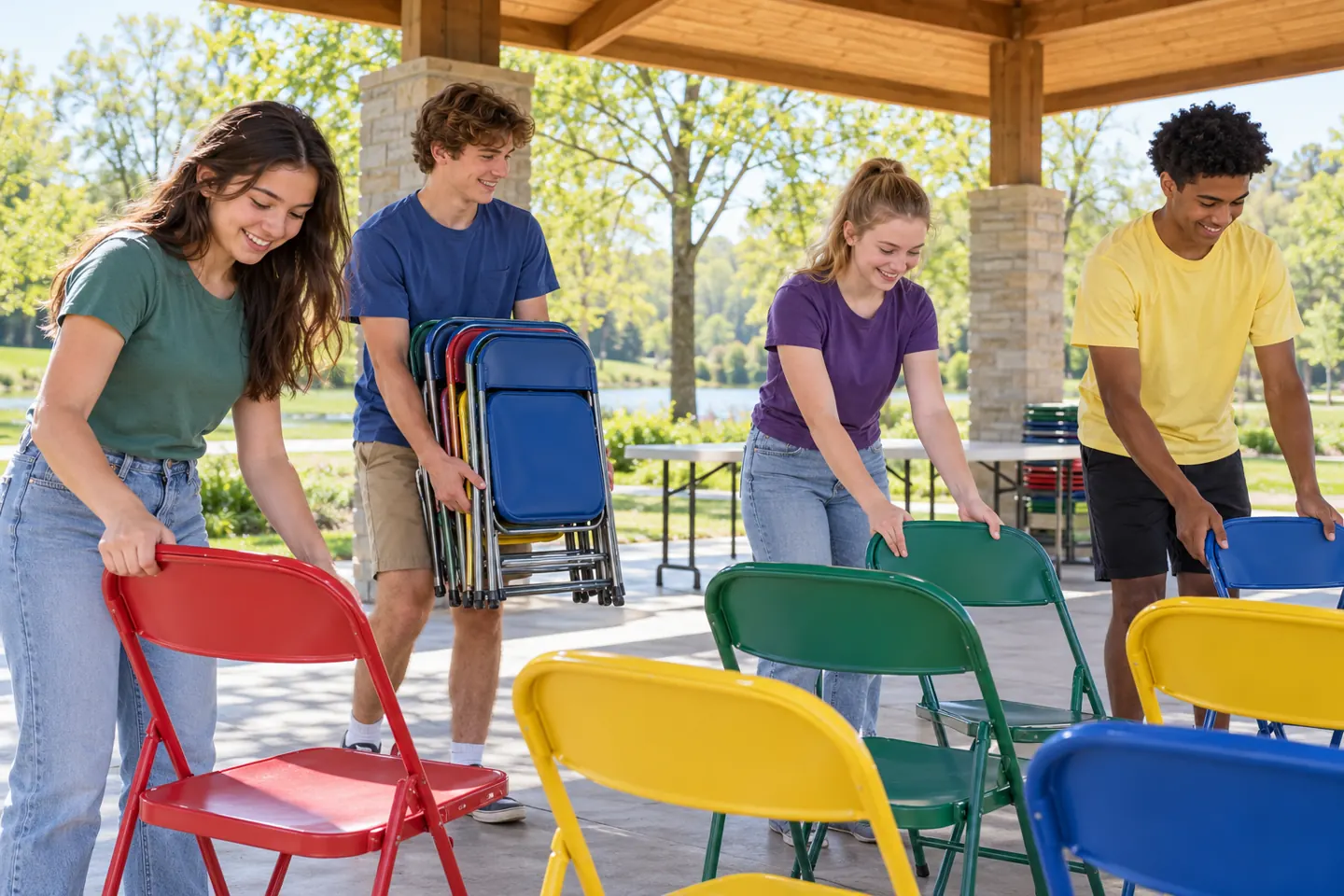
Plan a small project with two or three classmates. You might set up a club display, organize a rehearsal, or prepare a neighborhood event. First, agree on the goal. Next, divide the tasks and write down who owns each one.
Then pause halfway through to check progress. Ask, “What is done, what is stuck, and where could we help?” If one person has too much work, discuss a fair change.
Finally, review what each person contributed. Save your own example rather than taking credit for the whole group. Youth.gov’s employability guidance identifies school projects and service as places to develop workplace skills. Our public-service career guide can help connect a community task to an interest.
4. Student soft skills: turn a problem into a backup plan
First, choose a fictional situation: an outdoor event has a forecast of rain, or a supply order is late. Name the problem in one sentence. Next, list two possible responses and the information you would need.
For example, you could move a display indoors or delay setup. Then compare the space, time, and permission each option needs. Ask the person in charge before changing a real event.
Also, explain your reasoning in plain words. “I would check the room schedule first because another group may need it.” Finally, record which detail changed your plan. This gives you a concrete problem-solving story without inventing a dramatic result.
5. Practice a helpful introduction
Networking can begin with one respectful question to someone you already know. First, choose a teacher, coach, mentor, or family contact. Next, ask about a task in their work rather than asking them to find you a job.
Try, “What helps a new worker do well on a busy day?” Then listen and ask one follow-up question. Thank the person for their time.
Also, keep your request small and accept that someone may be busy. Our mentor introduction guide offers a next step. Finally, write down one idea you can practice this week. A useful conversation should leave you with an action, not a promise of employment.
6. Make follow-through visible
Choose a task with a clear finish time, such as preparing club materials. First, write down the deadline and the supplies you need. Next, allow time to check your work before handing it over.
If something changes, communicate early. You might say, “I have finished the first set. I need help finding more paper to complete the rest.” Then ask what should take priority.
Finally, confirm what you finished and what remains. Use truthful details when you describe the task later. For Washington students, DCYF’s skill inventory offers examples that can help you notice skills in daily life. You can also review our guide to describing family and work duties.
Carver’s one-week soft skills plan for students
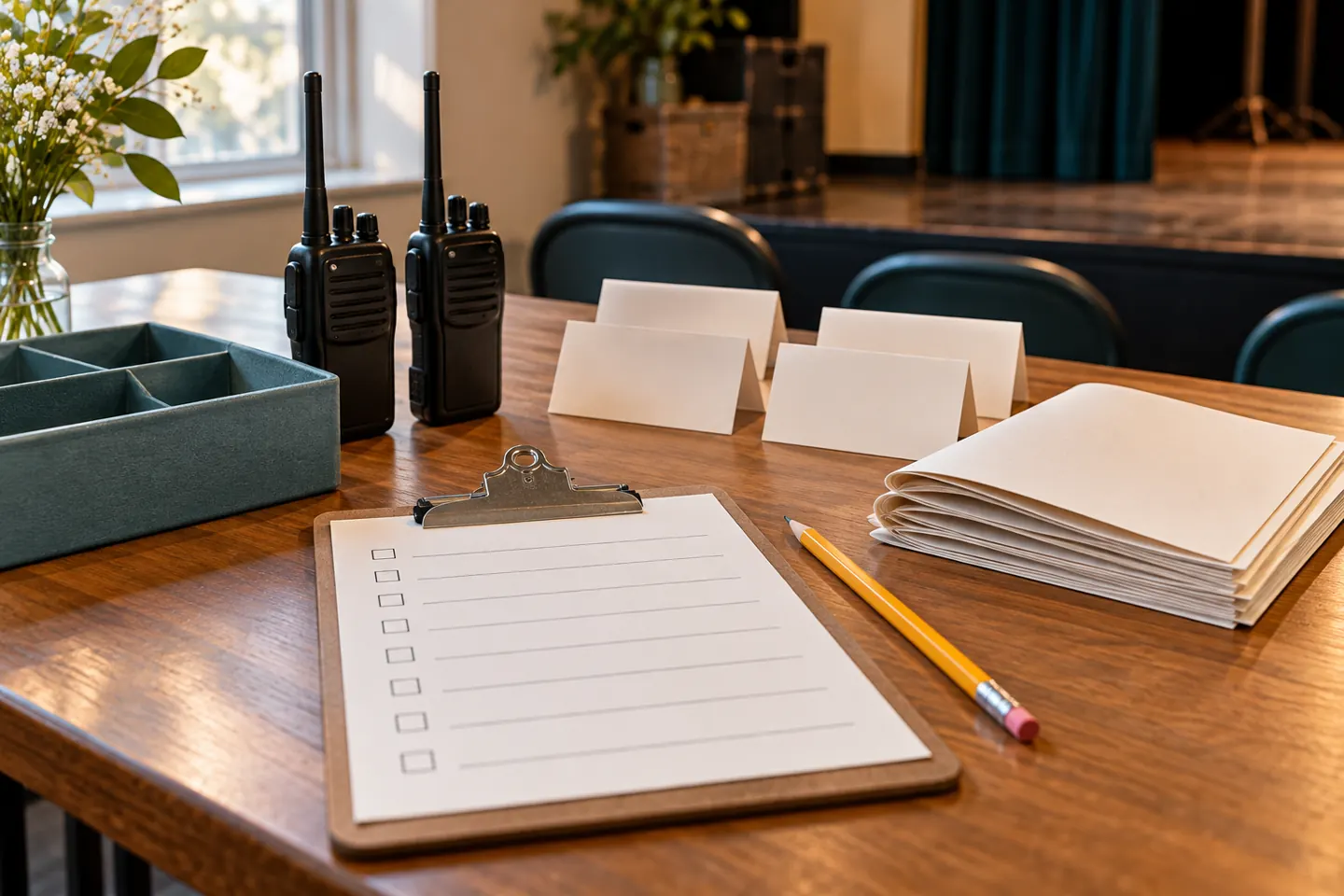
Build a Carver soft-skills plan for interviews and applications. First, choose one skill from this guide. Next, use three short sessions to practice, get feedback, and try again.
- Session one: Spend ten minutes choosing a task and making a plan.
- Session two: Try the task. Ask a partner what was clear and what needs work.
- Session three: Repeat the task with one change. Save a short, true example.
Then complete this note: “My task was ___. I did ___. The result was ___. Next time I will ___.” Keep names and private details out of notes you plan to share.
Finally, explore iLevelUP’s student resources and bring your example to a trusted adult. These soft skills for students become easier to explain when you have a real action to point to.
Soft skills for students: build a short interview answer
Imagine Sam, a fictional student who helps set up a school arts night. Two classmates receive different instructions. Sam checks the plan with the adviser, repeats the agreed steps, and confirms who will finish each task.
Next, Sam could say, “At our arts night, I noticed that our group had two setup plans. I asked the adviser to confirm the order. Then I shared it with my classmates so we could finish the right tasks.”
This is an example structure, not a script to claim as your own. Use a true story and a result you can support. Also, keep the answer brief enough for a follow-up question. Finally, practice saying what you learned, including what you would improve.
Frequently asked questions
What are the most useful soft skills for students before a summer job?
Start with clear communication, teamwork, problem solving, and follow-through. Then add practice in learning new tasks and making helpful introductions. The Department of Labor’s youth resources offer a wider set of workforce-readiness activities.
How can I practice if I have never had a paid job?
Use a school project, family duty, club, sport, or volunteer task. First, choose one action you can own. Then ask for feedback and save a true example. Our real-life responsibilities guide helps you describe that experience.
Do I need to be outgoing to show good communication?
No. You can communicate clearly by listening, writing, asking questions, or using tools that support you. Next, choose a practice method that fits your needs. Our help-seeking guide offers a small starting point.
What should I say when I make a mistake?
Explain what happened, what you have corrected, and where you need guidance. Then ask which next step matters most. Keep the explanation honest and brief. Our student message templates can help you prepare a clear update.
How can families support these activities?
Offer a short practice task, listen, and give feedback on one specific action. Then let the student try again. Avoid taking over the whole task. Youth.gov’s guidance describes several settings where young people can build employability skills.
How do I choose an example for a job interview?
Choose a true task where you can describe your own action and what happened next. Then connect it to the job’s needs. Washington DCYF’s skill inventory can help you recognize useful examples, including skills from daily responsibilities.
Editorial note: Calendar publication date: February 28, 2025. Sources reviewed October 11, 2026. Practice activities and the student example are original illustrations. The three new AI-generated images depict fictional people and settings.