

A college visit checklist helps families get useful answers without turning spring break into an expensive road trip. First, choose the questions that matter to your student. Next, confirm the campus schedule and total travel costs before booking anything.
Quick answer: Set a spending limit, research online, reserve a suitable visit, and plan a few key stops. Then record what you learned and what still needs a follow-up. A nearby campus or virtual visit can be a useful starting point.
This spring break college visit checklist is for first-generation students, families, and supportive adults comparing options. It focuses on one affordable visit with a clear purpose. Use Crag’s question map below to decide what you want to learn before you leave home.
College visit checklist: choose three questions first
First, ask the student what they want to understand. You might choose a program, the daily commute, and a support service. Next, write one question for each priority.
For example: “How would I get help in a difficult class?” Then identify the office or person who can answer. A student guide can share their experience, while a department adviser can explain course requirements.
College Board’s visit preparation guidance recommends researching the college and preparing questions before a tour. Also, use our campus support comparison guide to choose questions that fit your needs. Finally, keep your list short enough to use during the visit.
1. Put a spending limit on your college visit checklist
First, decide what your family can spend on this visit. Next, list the expenses you would need to cover. Keep confirmed costs separate from estimates, and check cancellation terms before paying.
- Travel: Fuel, fares, tolls, or other required charges.
- Arrival: Parking and transport from a station to campus.
- Food: Meals, snacks, and water for everyone traveling.
- Overnight stay: Lodging only if the route truly needs it.
- Other needs: Care arrangements or supplies that make the trip possible.
Then compare a day trip with a virtual option. A long drive can cost more than expected even when the tour itself has no charge. Also, ask admissions whether visit assistance exists and who qualifies. Leave any unapproved assistance out of your budget.
Finally, choose a plan you can afford without relying on a promised admission result. Our college budgeting guide helps with the separate question of paying to attend a school.
2. Check spring break dates before reserving a tour
Your school break may overlap with the college’s break. First, check the college’s academic calendar and official visit page. Next, ask whether students, classes, dining spaces, and the offices you need will be available.
Then confirm the tour start time, meeting place, length, and registration rules. A campus can be open while a particular service is closed. Ask what your visit will include rather than assuming every building is accessible.
For a Washington example, the University of Washington’s visit page explains registration, travel, parking, and access arrangements. Other schools have their own requirements. Also, request any needed accommodations early and confirm the available route with the visit team.
Finally, save the confirmation and a contact number. If the planned visit cannot answer your key questions, consider another date or a remote conversation.

3. Make a simple route for your college visit checklist
First, identify the official meeting point and a realistic arrival window. Next, plan how you will get there from the parking area or transit stop. Check fares, parking rules, and any route changes close to your visit.
Then choose two or three extra stops that serve your questions. You might visit a library, find a tutoring office, or locate a program building. Ask about access before planning to enter a classroom or residence hall.
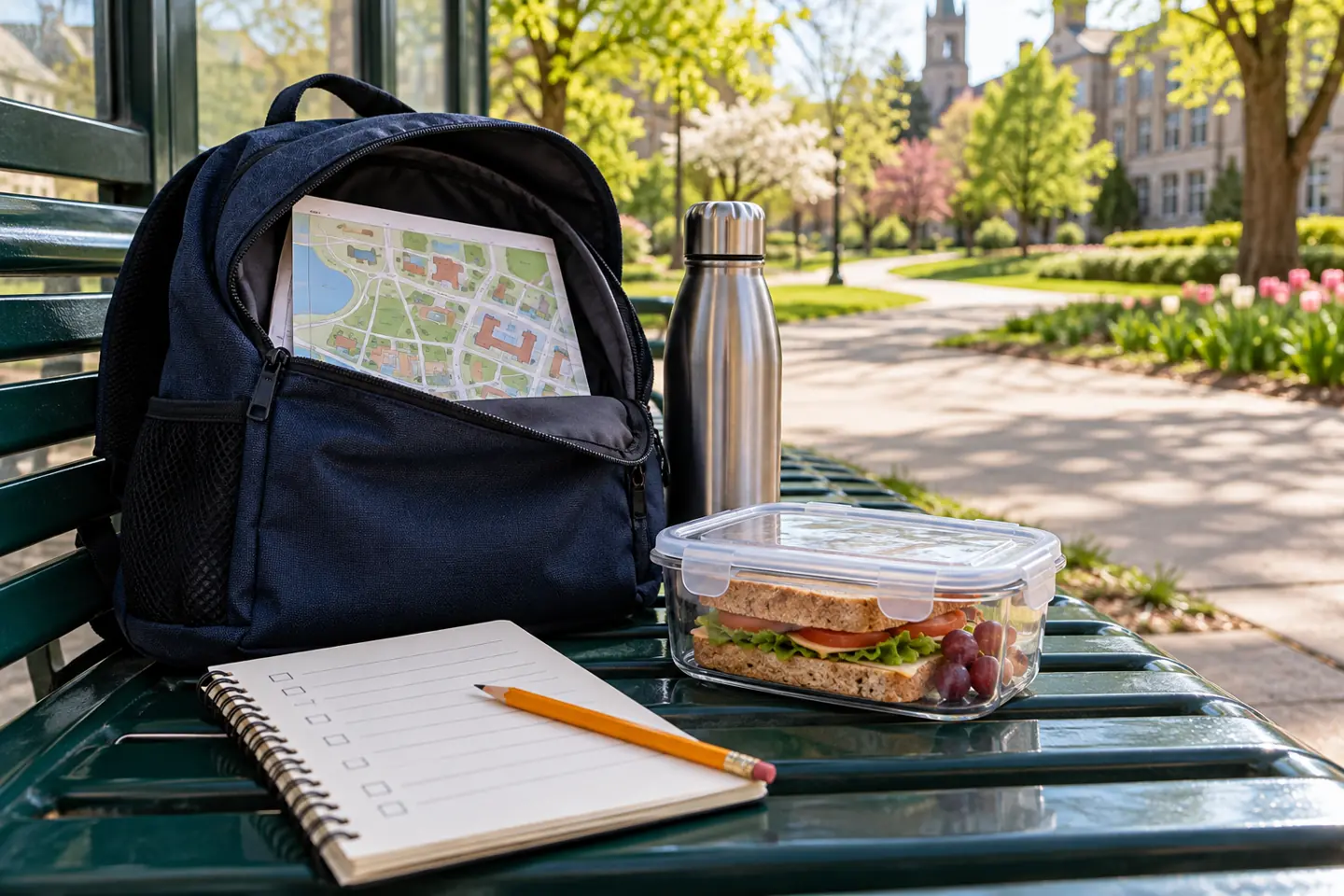
Also, include time to eat, rest, and travel between stops. A packed schedule can leave little room for the student to ask questions. Bring practical supplies such as water, a snack, a charger, and clothing for the weather.
Finally, keep a backup plan for a canceled tour or a delayed trip. Washington GEAR UP’s campus-visit resources offer more ways to explore visit options. Your checklist should support learning, not create a race through campus.
4. Use the visit to test everyday college fit
First, ask about the student’s three priorities. Next, record the answers alongside the person or office that provided them. Separate a student’s personal experience from a school policy you need to verify.
- Learning: Who helps students plan courses and get tutoring?
- Access: How does a student request support or accommodations?
- Daily life: How would meals, transport, or a commute work?
- Program fit: What steps lead into the intended program?
- Cost questions: Where can a family get an individual aid explanation?
Then ask one follow-up: “Where can I find that in writing?” Also, notice what you could not observe on this date. A quiet campus during break gives a limited picture of a normal class week.
Finally, use our campus support-page review to check the official links afterward. An attractive building is one observation; the services and requirements need their own review.
5. Add a virtual option to your college visit checklist
If travel does not fit the budget, start with an official virtual tour and an admissions conversation. First, use the school website to find available formats. Next, check whether you need to register and how you can ask questions.
ACT’s virtual college visit guide outlines ways to explore colleges remotely. Then use the same three-priority checklist for the online visit. Save a question that needs a staff answer instead of treating a video as the whole picture.
Also, ask your counselor about school-organized visits or local campus opportunities. Confirm any cost, eligibility, and permission requirements with the organizer. Finally, compare what each option can teach you. Our college-list guide can help you choose which school to research next.
Crag’s question map: before, during, and after
Use Crag to map campus questions before the visit. First, draw three columns: “My question,” “Who can answer,” and “What I learned.” Add a source link or contact beside each answer.
During the visit, let the student choose which question to ask first. A supportive adult can take notes or help with travel. Then pause to check whether the student has a question the tour did not cover.
Afterward, choose one unanswered item and send a short follow-up. Our student email templates give a starting structure. Also, mark estimates and personal impressions clearly so they do not become confirmed facts.
Finally, explore iLevelUP’s student resources and prepare your first three questions. A useful college visit checklist leaves you with clearer answers and a next step you can afford.
Example: a useful visit without an overnight stay
Imagine Riley, a fictional student considering a nearby college. Riley wants to understand the program entry steps, tutoring, and the commute. First, the family checks the official visit schedule and compares transport options.
Next, Riley reserves a visit that fits the spending limit. The family brings lunch and leaves time for a break. During the visit, Riley learns whom to contact about one unresolved program question.
Then Riley sends that question and saves the reply in the visit notes. The example uses no real prices or promised outcomes. Finally, compare your own priorities with what you learned. You can make progress with one focused visit rather than a long list of stops.
Frequently asked questions
What belongs on a spring break college visit checklist?
Include three student questions, a spending limit, a confirmed visit time, transport details, and a follow-up plan. Then check what will be open. College Board’s preparation guide explains why researching and planning questions helps.
How can we keep a college visit affordable?
Compare a nearby day trip with a virtual visit, list all required costs, and ask about assistance before booking. Count support only after approval. Our budgeting guide can support a family money conversation.
Is spring break always a good time to tour?
It depends on the campus schedule and what you need to learn. First, check the academic calendar and ask what will be open. The UW visit-planning page illustrates details to confirm; use each college’s own instructions.
Do we need to visit every college in person?
No. You can begin with official online resources and ask staff questions remotely. Then decide where an in-person visit would add useful information. ACT’s virtual visit guide offers ways to explore without traveling.
What should the student ask during a tour?
Start with a specific question about learning, access, daily life, or program requirements. Then ask where to verify the answer. Our campus support checklist helps families choose practical questions.
What should we do after the visit?
Review the notes while the experience is fresh. Mark what is confirmed, what is an impression, and what needs a reply. Then send one follow-up using our student email guide.
Editorial note: Calendar publication date: March 14, 2025. Sources reviewed October 11, 2026. Confirm current tour availability, costs, access arrangements, and campus hours with each school. The budget prompts, question map, and family example are original planning tools. Images are new AI-generated illustrations of fictional people and settings.