Middle school career clusters group related jobs so you can explore work that fits your interests. Start with something you enjoy. Then try a small task, notice what you like, and learn about a job that uses that skill.
You do not need to pick your future job today. Instead, use this spring to test new things before summer plans and class choices take shape. These activities work at home, in class, or with a school club.
Below, you will find five short tasks and a simple way to reflect. You can also explore iLevelUP’s student resources for your next step.
What are middle school career clusters?
A career cluster is a broad group of related jobs. Think of it as a shelf in a library. The shelf helps you find a topic, but each book tells a different story.
For example, the Agriculture cluster can lead you toward work with plants, food, and farms. However, one person may study crops while another cares for animals. Their daily tasks can be quite different.
Advance CTE’s current framework has 14 clusters. Older school materials may list 16. Ask your teacher which set your school uses. The goal is to explore real work, so you do not need to memorize every label.
Also, one interest can fit more than one cluster. Drawing could connect to design, teaching, or marketing. Keep your options open as you learn.
Start with the part of an activity you enjoy
First, name an activity you choose in your free time. Then ask, “Which part do I enjoy most?” This small detail can point toward a task worth trying.
- If you like games, do you enjoy making rules, solving puzzles, or helping a team?
- If you like cooking, do you enjoy testing flavors, measuring, or serving others?
- If you like sports, do you enjoy practice, keeping score, or explaining a play?
Next, choose one action word: observe, explain, design, organize, or compare. You can try that action in a small project. For more ideas, browse the BLS career exploration guide, which connects interests with jobs.
Try five middle school career cluster activities
These are sample learning tasks, not full versions of a job. First, pick one that sounds fun. Use materials you already have, and ask an adult before handling tools or visiting a work site.
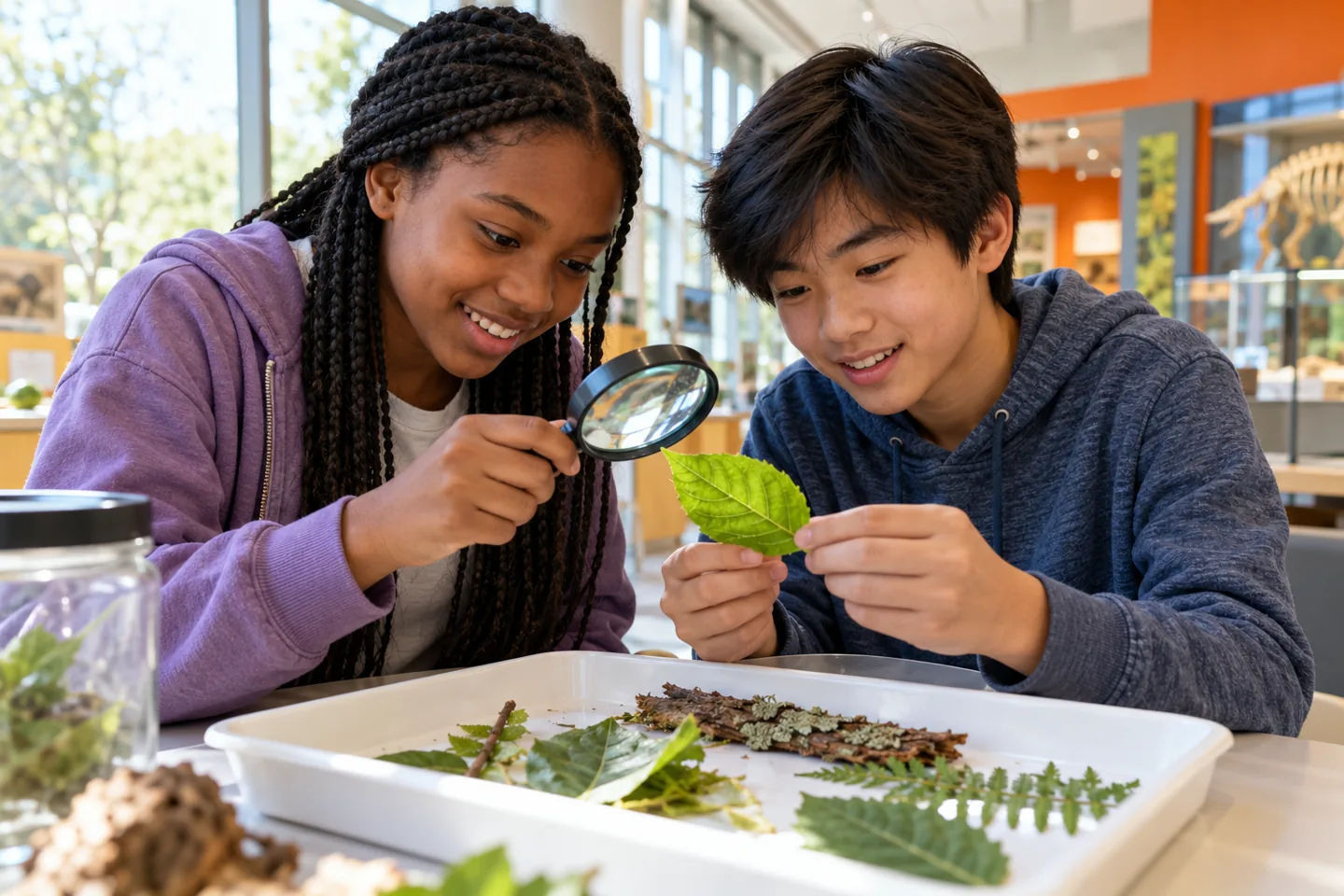
1. Observe like a plant scientist. Look closely at two fallen leaves. Then sketch their shapes and list three ways they differ. This task can connect to Agriculture or Energy & Natural Resources. Ask yourself: Did I enjoy finding small details?
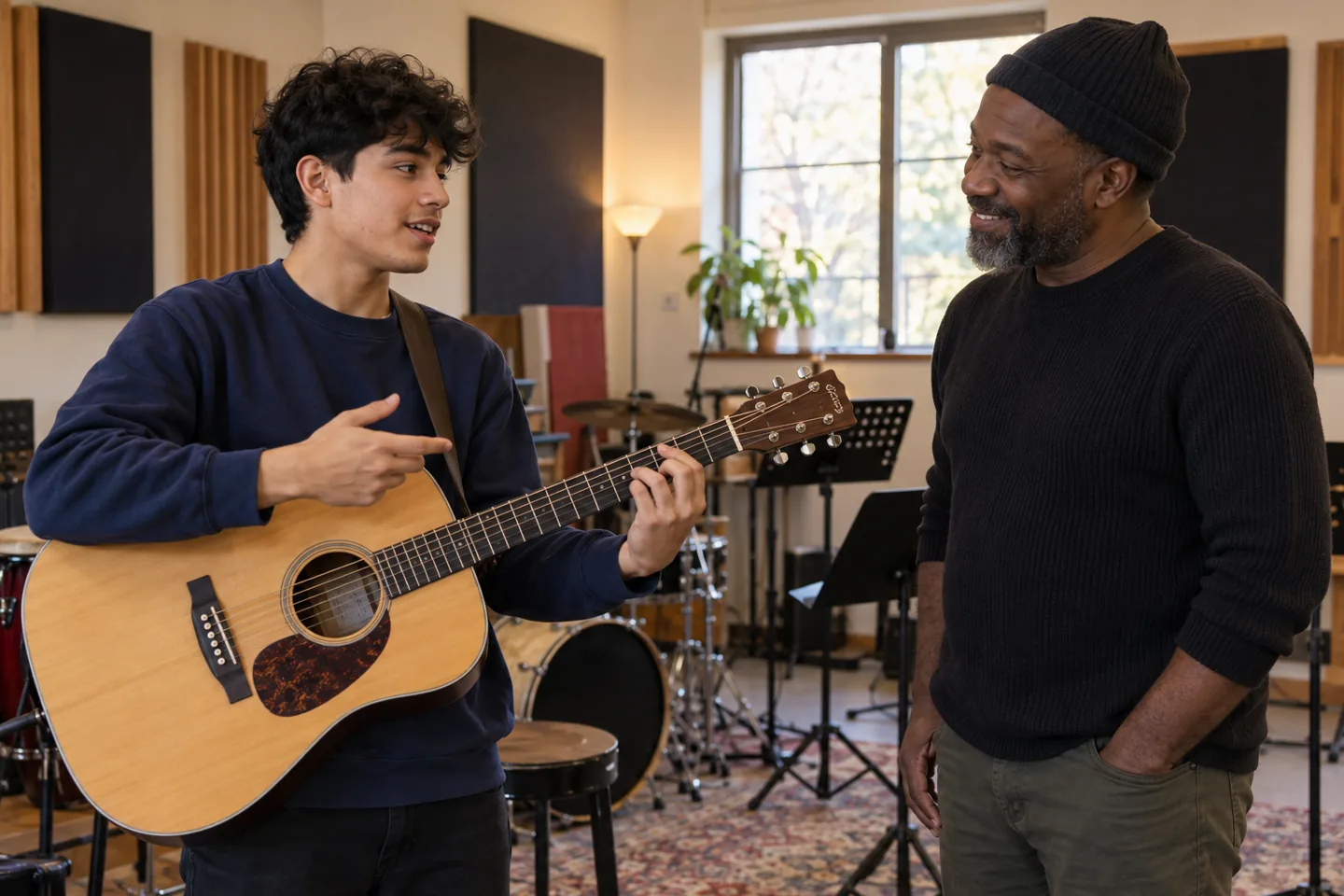
2. Explain like a teacher. Choose a game you know well. Next, write three clear steps and teach a friend how to play. This task can connect to Education. Ask: Did I enjoy changing my explanation when someone needed help?
3. Design like a visual artist. Make two signs for a pretend school event. Use the same message in each. Then ask a classmate which one is easier to read and why. This task can connect to Arts, Entertainment, & Design.
4. Plan like an event organizer. Sketch a layout for a small class celebration. Include seats, a clear path, and a place for supplies. Next, explain how people would move through the space. This task can connect to Hospitality, Events, & Tourism.
5. Compare like a buyer. Use prices from a grocery flyer to plan a pretend snack table with a $20 limit. Then compare two choices. This task can connect to business and sales work. It also gives you a simple way to practice money skills during April.
Finally, circle the action you liked most. You may enjoy planning the snack table more than drawing its sign. That is useful to know.

Spot different jobs in one everyday place
A spring farmers market can show how many kinds of work fit together. For example, someone grows the food, someone plans delivery, and someone designs the signs. Others set prices or help shoppers.
With a trusted adult, look for three tasks during a normal visit to a public place. You could use a market, library, or school event. Observe from public areas and ask before taking photos.
Then name the task without guessing a worker’s title. “This person checks a list before placing boxes” tells you more than “This person works here.” You can research the role later.
If a trip is not possible, use a photo of a public place or a school-approved career video. Next, list the work that helps the place run. You can explore without spending money or arranging a special visit.
Connect your favorite task to a real job
Next, choose one job that uses the action you liked. Read its profile in the BLS Occupational Outlook Handbook. Focus on “What They Do” first, then look at the work setting and training.
Write down one match and one surprise. For example, a job may include both outdoor work and time at a computer. That detail can change which question you ask next.
Also, remember that a short school task shows only a small part of the work. Enjoying a leaf study does not mean you must become a scientist. It gives you a reason to learn more.
When you want to compare several options, use our career cluster worksheet. Keep this first activity small enough to finish.

Use a five-minute reflection
After the task, pause before choosing another one. First, answer these four questions in a notebook or a voice note:
- What did I do?
- Which part held my attention?
- What felt hard, and what help did I need?
- What would I try or ask next?
Then save one sign of your work, such as a sketch, a sample, or your notes. You do not need a perfect result. A task that felt boring can still teach you something about your interests.
Finally, share one finding with a teacher, counselor, or trusted adult. Ask which class or club could help you try that skill again. School choices and costs vary, so check what is actually available.
Take one small step with Canyon
Try this Canyon-inspired career quest: choose one action, spend 15 minutes on a safe task, and write one new question. Then pick a time to discuss what you learned with a trusted adult.
You can start with iLevelUP’s student guides. Teachers can explore our educator resources to plan a group activity. One small task can give your next career conversation a clear place to start.
Middle school career clusters: FAQs
They are broad groups of related jobs used to help students explore work. Start with an interest, then look at tasks within a group. Advance CTE’s guide explains the current framework.
The current national framework has 14 clusters. Older materials may show 16. Check which version your school uses. The official comparison of the two versions can help explain different labels.
Choose one small task, such as teaching a game or comparing two leaves. Then describe what you liked and what you would try next. Our student guides offer more ways to explore.
No. Use this time to ask questions and try different tasks. Your interests can change. When you want to compare ideas, our career worksheet gives you space to track what you learn.
Start with the duties and work setting in a BLS job profile. Then ask a teacher or counselor how to learn more through school. A job title alone does not tell the whole story.
Yes. You can explain a game, sketch a plan, or compare prices in a flyer. Also, ask a teacher for printed career information if you need it. The BLS student page is a useful starting point for shared research.