

A career exploration project is a small, hands-on task that helps you test an interest and learn about related work. For summer, choose one question, make something simple, research a career, and reflect on what you enjoyed. You do not need to choose your future job before fall.
This guide is for students in grades 6–12 and the adults who support them. You can complete the sample project over a week or spread it across the summer. Start with materials you already have and a topic that makes you curious.
Your finished result: One sketch, model, short presentation, or written explanation, plus three reflection notes. Use the iLevelUP student resources to choose your next step.
Choose one question for your career exploration project
First, name an interest you want to test. You might enjoy plants, drawing, repairing things, helping people, games, or telling stories. Then turn that interest into a question you can explore with a small task.
For example, “How could a garden collect rainwater?” gives you something concrete to investigate. “What career should I choose?” is much harder to answer in one afternoon. A narrow question helps you begin and finish.
If you need ideas, try this career curiosity journal. You can also use CareerOneStop’s interest assessment to explore activities and work settings you prefer. Treat the results as ideas to investigate, rather than a final decision.
Make your career exploration project small and affordable
Next, set a limit for time, materials, and help. A paper sketch is a valid result. So is a cardboard model, a short slide presentation, or a one-page guide. A useful project shows what you learned, even when the materials are simple.
Choose a version you can complete with what you have. For instance, draw a garden before buying plants. Sketch an app screen before learning to code it. Write a sample interview question before asking someone for a conversation.
If internet access is limited, plan one research session at a school or public library. Save source titles and a few notes for later. These student support resources may help you identify practical barriers and possible support.
Research a real career behind the task
A hobby and an occupation can overlap, but they are not the same thing. Read about daily duties, work settings, and education or training. Look for tasks that sound interesting and tasks you would like to understand better.
The Bureau of Labor Statistics Occupational Outlook Handbook offers career profiles. Use a profile to ask: What does this worker do? Where do they work? What preparation is typical? Check the date of any information you record.
Then explore a second related role. Someone who enjoys garden design might also investigate work involving plants, water, or construction. Use this career cluster worksheet to compare paths. Your project can reveal questions worth asking without proving that one path is right for you.
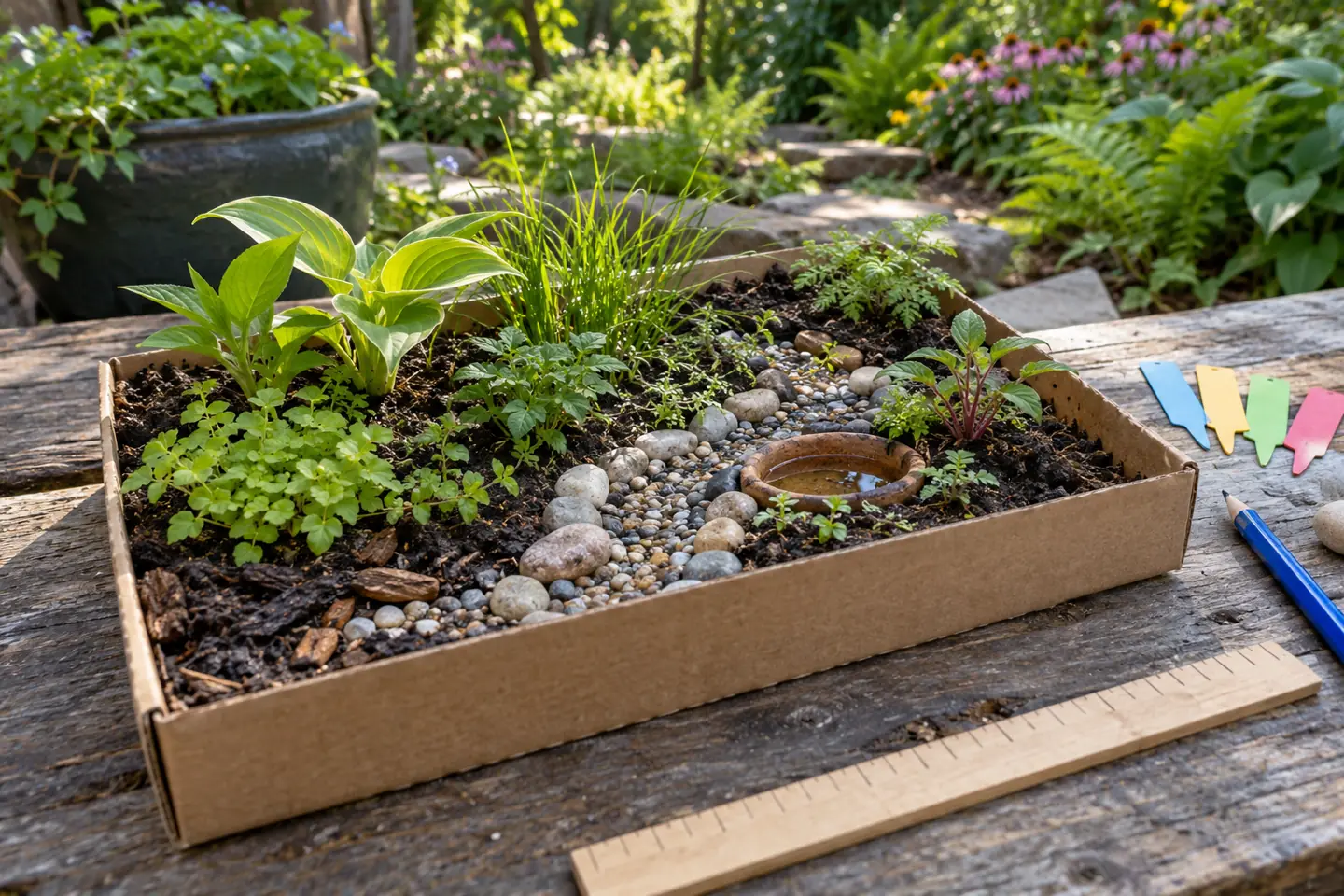
Example career exploration project: a rain garden model
Here is an original project idea for a student interested in nature and design. The goal is to explain a concept with a drawing or small model. It is a learning activity, not a professional drainage plan.
The EPA’s rain garden guide explains how planted depressions collect runoff and let it soak into the ground. Read the guide, then sketch where water might enter a simple garden shape. Add labels for plants, soil, and the water’s path.
For a model, arrange scrap paper, cardboard, or clean pebbles in a shallow tray. You can represent plants with paper shapes. Explain what each part represents; you do not need to pour water into the model or dig outdoors.
Finally, read the BLS profile for landscape architects. It describes duties such as preparing site plans and cost estimates. Compare those duties with your sample task. A model gives you a glimpse of design thinking, rather than the full experience of the profession.
Other project ideas to test an interest
You can use the same process with a different topic. Choose a small result, research related work, and notice which part you enjoy. These examples are starting points you can adapt.
| Interest | Small project | Question to explore |
|---|---|---|
| Art and communication | Design a paper poster for an imaginary school event | How do designers make information easy to understand? |
| Technology and games | Sketch three screens for a simple study game | How do developers turn an idea into a usable tool? |
| Community and service | Write a short guide to a public resource | How do workers help people find reliable information? |
| Business and organization | Plan supplies for an imaginary club meeting | How do planners compare costs and needs? |
Explore profiles through the Occupational Outlook Handbook before choosing a role to research. For more short activities, see these career activities for high school students.

Ask for feedback on your career exploration project
Share your result with a classmate, family member, teacher, or another trusted adult. Start by explaining your question and showing what you made. Then ask one specific question, such as “Which part of my explanation was easiest to follow?”
You can also ask an adult about their work when there is an appropriate opportunity. Try, “What task do you do most often?” or “What surprised you when you started?” These career conversation starters can help you prepare.
For younger students, involve a trusted adult when arranging contact with someone new. Share the project privately if you prefer. You do not need to post personal details or photographs online to show what you learned.
Reflect on your career exploration project before fall
After you finish, write three short notes. First, name a task you enjoyed. Second, name a task that felt difficult or less interesting. Third, choose one question you still have. Use specific examples from your project.
For instance: “I liked arranging the model, but explaining the water path was harder. Next, I want to learn how designers choose plants.” This sample reflection gives you a useful next step. It does not label you as good or bad at a career.
Keep your result and notes in a folder. Later, you can use them when discussing classes, clubs, or another project with a counselor. If you want a simple habit for checking progress, adapt this weekly planning routine to your career questions.
Try a Taiga exploration challenge this summer
Begin with one interest, one question, and one small result. Then research a related career and ask for feedback. If you finish quickly, revise one part or test a second question. If your interest changes, that is useful information too.
Try a Taiga exploration challenge and share the result. Start with the iLevelUP student page, then use this guide to plan your own activity. Your next step can be a sketch, a model, or a conversation that helps you learn something new.
Frequently asked questions
What is a career exploration project?
It is a small task that lets you test an interest, research related work, and reflect on what you learn. A sketch or short explanation can be enough. Use CareerOneStop’s career ideas guide to explore interests and possible paths.
Can middle school students do a project without choosing a career?
Yes. The purpose is to explore a question and notice what interests you. You can change your mind as you learn. This middle school career journal offers a simple place to record your ideas.
Do I need money or special equipment?
You can choose a paper sketch, written guide, or model made with materials you already have. Research through free resources such as the Occupational Outlook Handbook. Adjust the project to your time, access, and available support.
How can I learn about a job without knowing someone who does it?
Begin with an official career profile and record questions about its duties and preparation. Try the BLS landscape architect profile for the garden example. You can ask a counselor or trusted adult to help you find another reliable resource.
Is a small model the same as professional work experience?
No. A learning model explores one idea, while professional work includes responsibilities and requirements your activity may not cover. Compare your task with an official occupation profile. Describe what you actually made and learned without claiming professional experience.
What should I do if I do not enjoy the project?
Write down which part you disliked and why. Then try a different task or related career question. Use the career cluster worksheet to compare options. Learning what you prefer is a useful result.
Editorial note: This article fills the June 6, 2025 content-calendar entry. Resources were checked on October 12, 2026. Images are original AI-generated illustrations, not photographs of actual iLevelUP participants.


