
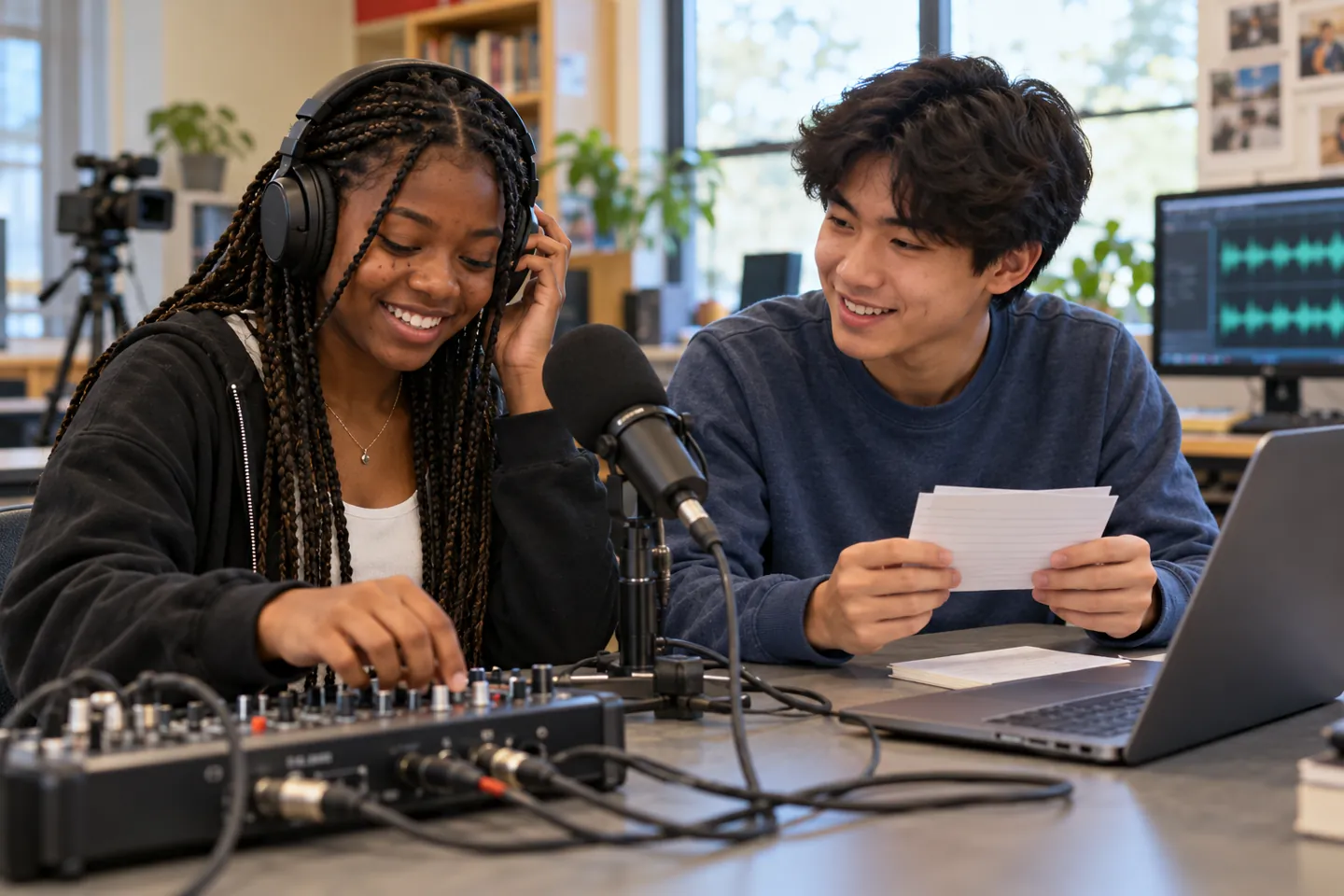
Workforce readiness skills are habits that help people complete tasks, work with others, and respond to problems. Students can practice them in class by asking clear questions, sharing responsibilities, checking information, and meeting an agreed deadline. You do not need a paid job to begin noticing these habits.
Labor Day offers a useful moment to connect learning with the work people do. Instead of choosing a career right away, pick one classroom task and name the skill it uses. Then test that connection by reading about a job that interests you.
Quick start: Choose a class project, practice one skill, save a short example, and explore one career. The classroom activities below are original practice ideas, not employment requirements or promises of a job.
What workforce readiness skills look like in class
Think about how you complete a task, not just the grade at the end. Did you explain an idea clearly? Did your group agree on who would do each part? When something failed, did you test a different approach?
The Youth.gov workplace-skills overview identifies communication, teamwork, problem solving, and professionalism among useful areas for young workers. School gives you opportunities to practice these behaviors in a setting where you can ask for guidance.
However, class practice does not replace technical training or job-specific instruction. Use this career planning tools guide to explore what a particular path involves.
Practice clear communication before you begin
Before starting a group assignment, restate the goal in your own words. For example: “We need to explain our findings and show how we checked them.” Then ask which part needs clarification. This makes a question specific and gives others something useful to answer.
Next, try a short handoff. Tell a partner what you completed, where the materials are, and what still needs attention. In a media project, that could mean explaining which audio clip is ready and which one needs a second recording.
For guided practice, educators can use the Department of Labor’s Skills to Pay the Bills curriculum. Students can also adapt these help-seeking email scripts when they need to ask a teacher a clear question.
Build teamwork through fair, visible roles
Agree on the task before dividing it. Then choose roles that everyone understands, such as researcher, materials organizer, presenter, or reviewer. Rotate roles when possible so the same person does not always lead or handle all the quiet work.
During the project, pause for a brief check-in: What is done? What is blocked? Who needs help? If someone cannot finish their part, discuss an adjustment rather than guessing why. A shared task works better when expectations are clear.
The Department of Labor’s youth resources include teamwork activities. For practice beyond class, explore these activity-selection ideas. Choose a setting that is accessible and welcoming.

Try workforce readiness skills in a classroom project
Use the examples below to choose one small action. Ask your teacher what fits the assignment and any access needs. These activities can work with paper materials; they do not require an account, a paid app, or sharing personal information.
| Skill | Classroom practice | Evidence to keep |
|---|---|---|
| Communication | Give a partner a clear project handoff. | A short summary of what you explained. |
| Teamwork | Agree on roles and check progress together. | The role you completed and one shared decision. |
| Problem solving | Test two ways to improve a model or presentation. | What changed and what the test showed. |
| Reliability | Set a small deadline and report progress. | The agreed task and when you completed it. |
| Information checking | Compare a claim with its original source. | The source and the correction you made. |
Keep the evidence truthful and specific. This student resume guide explains how responsibilities can become examples later. A classroom example should still be labeled as classroom experience.
Solve problems by testing one change at a time
When a project stalls, describe the problem before proposing a solution. “Our model falls over when we move it” is easier to act on than “This is terrible.” Next, list two possible changes and choose one to test safely.
Record what happened. If a wider base helped, explain how you checked it. If the change failed, keep that result and try the next option. The goal is to show your thinking, not to pretend the first idea worked.
CareerOneStop’s competency models connect foundational skills with workplace and technical abilities. You can use that framework to ask how testing and troubleshooting appear in different fields.
Practice reliability without hiding a problem
Break a large assignment into a task you can finish this week. Write down what you agreed to do and when you will check progress. Before the deadline, compare your plan with what is actually done.
If you are stuck, tell the teacher or group early. Say what you tried and what support you need. Reliability includes honest updates; it does not mean hiding confusion, working without rest, or ignoring an access need.
This planner-reset routine can help you see your workload. Also, the Labor Department curriculum offers activities about professionalism. Adapt the practice to your classroom expectations.
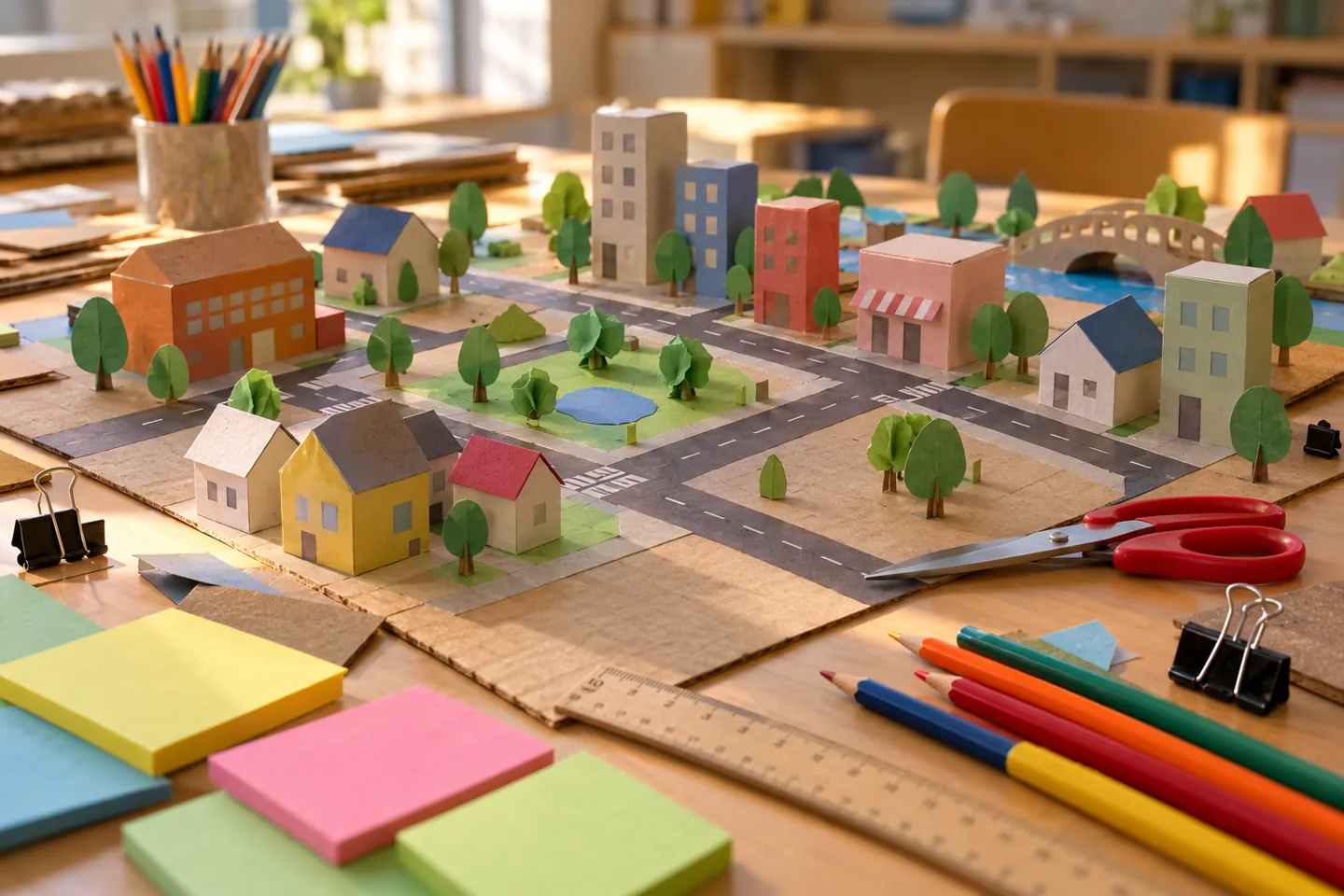
Use Canyon to connect workforce readiness skills to a career
Try a Canyon exploration challenge: name one skill from your project and one career you want to investigate. Then open the BLS Occupational Outlook Handbook and read about that occupation’s duties, work setting, and education or training.
Make the connection carefully. A class presentation might let you practice explaining information, but it does not qualify you for a teaching or healthcare role. Ask what additional learning the occupation requires. This career cluster worksheet can help you compare paths.
Finish with three private notes: “I practiced…,” “My example is…,” and “My next question is….” Start on the iLevelUP student page, then choose one class skill to explore this week. You can keep your options open while learning what interests you.
Frequently asked questions
What are workforce readiness skills?
They are habits that help people complete tasks, cooperate, and respond to challenges. Communication, teamwork, and problem solving are useful examples. The Youth.gov overview explains key areas for young workers.
Can students build workforce readiness skills without a job?
Yes. A class project can give you practice explaining ideas, keeping an agreement, and checking your work. Describe the setting honestly rather than calling it paid work. This resume guide can help you describe an example.
Which workforce readiness skills can I practice first?
Start with one behavior you can observe, such as asking a clear question or reporting progress before a deadline. These student communication scripts can help you begin.
Are workforce readiness skills the same as technical skills?
They overlap, but they are not identical. Working with a group is different from learning a specific tool or licensed task. CareerOneStop’s models distinguish foundational, workplace, and technical competencies.
How can a teacher make skill practice accessible?
Offer clear instructions, manageable steps, and more than one way to participate where appropriate. Ask students what support they need within the school’s process. The Labor Department youth resources include materials developed with young people with disabilities in mind.
How do I connect a classroom skill to a career?
Choose one skill, then read an occupation’s duties and training requirements in the BLS handbook. Note where you see a connection and what you still need to learn. Try this three-path worksheet to compare options.
This article fills the August 29, 2025 content-calendar entry. Resources were checked on October 12, 2026. Images are original AI-generated illustrations, not photographs of actual iLevelUP participants.


